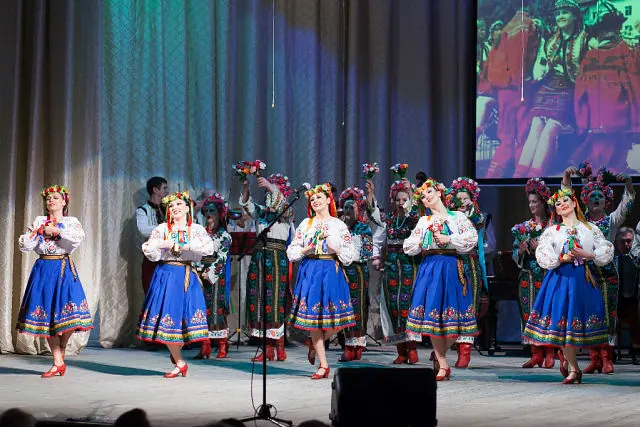
Bukovyna sits in the borderland between Ukraine and Romania, stretching from the middle Dnister River up to the main Carpathian ridge around the sources of the Prut and Seret rivers. Its name comes straight from geography — “buk” means beech, and the region is named for the great beech forests that once covered it, a name already in use by the 14th century to describe land along the Moldavian-Polish border.
That border position shaped everything about Bukovyna’s history: it passed from the Principality of Galicia-Volhynia to Moldavia, absorbed Polish and Hungarian influence through the 14th and 15th centuries, and belonged entirely to Romania through both 1919–1940 and 1941–1944, before finally being split along ethnic lines between Ukraine and Romania in 1940. Of its roughly 10,440 square kilometers, only about 5,500 sit inside Ukraine today, as Chernivtsi oblast.
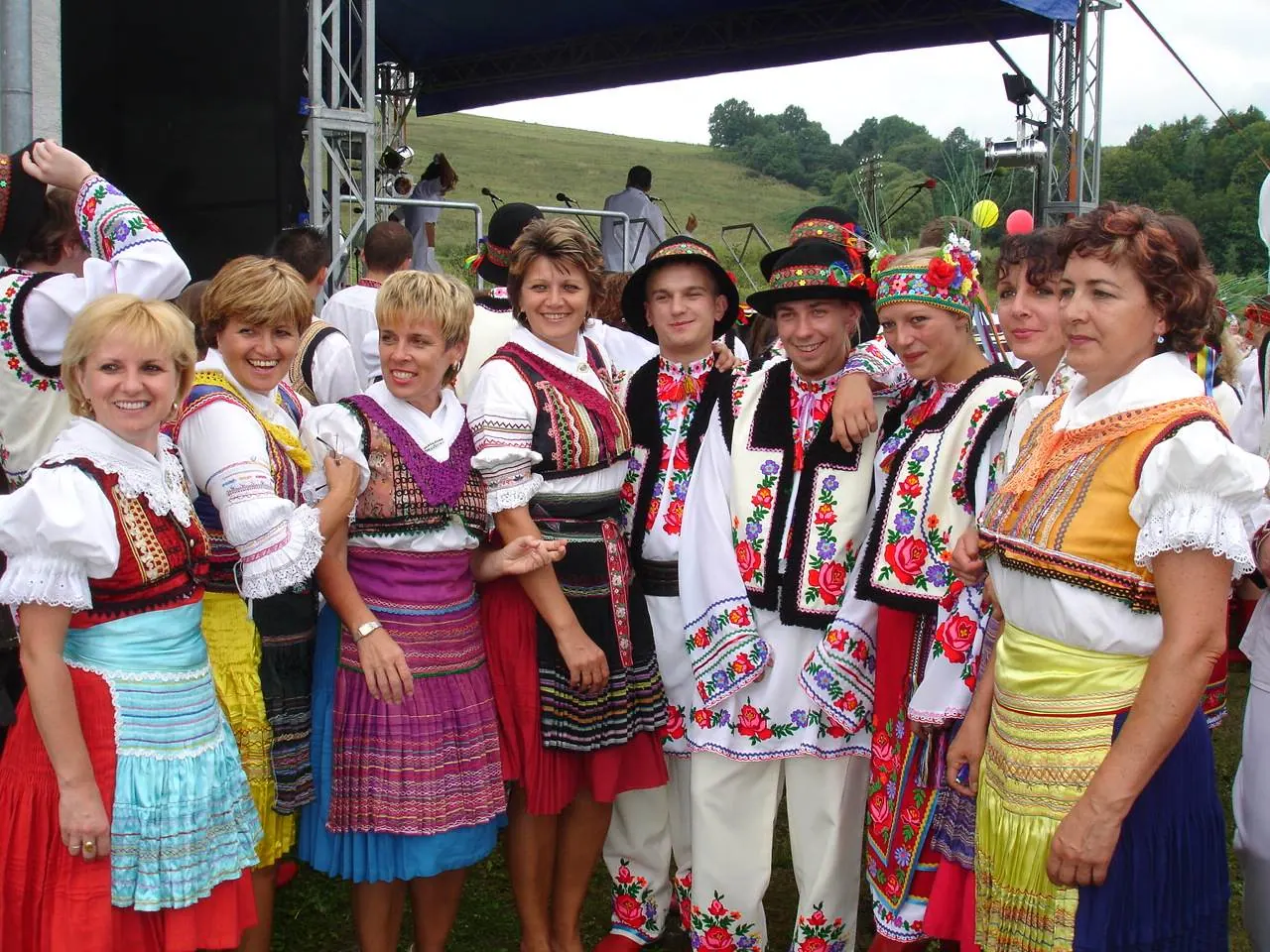
That transitional, crossroads identity is exactly what gives Bukovynian folk dance its character — a regional style that absorbed real influence from its Romanian, Polish and Hungarian neighbors while staying unmistakably its own, performed today by ensembles like the Bukovynian Honored Academic Song and Dance Ensemble, who have carried that distinctive borderland repertoire onto stages well beyond the region itself.