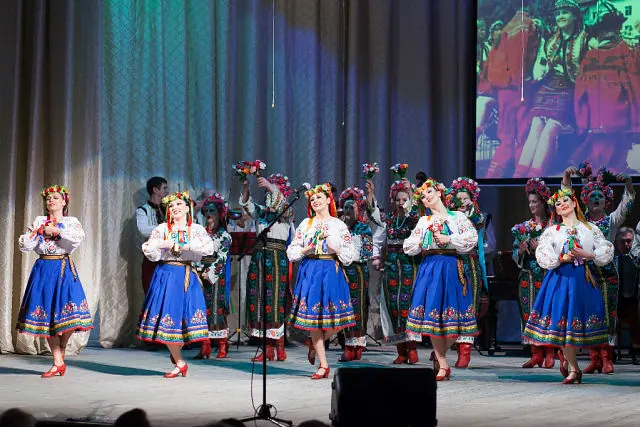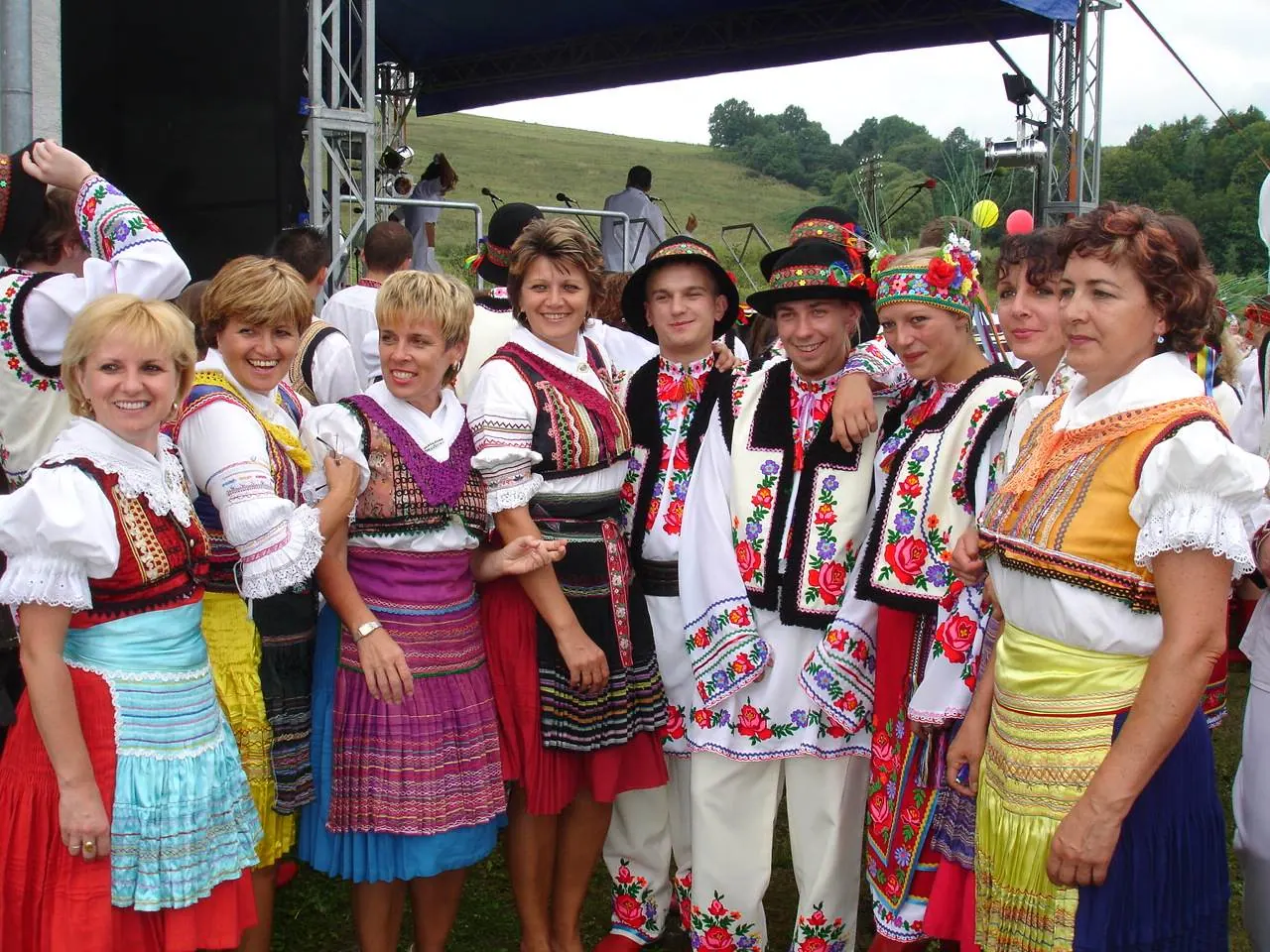

Hutsulshchyna sits in the highest, most dramatic corner of the Ukrainian Carpathians — the southeasternmost stretch of the range, spanning parts of Galicia, Bukovyna and Transcarpathia along the upper valleys of the Prut, Suceava, Bystrytsia Nadvirnianska and Tysa rivers. Aside from a handful of settlements just across the border in Romania, the region lies entirely within modern Ukraine, bordered by the Boikos to the west, the Subcarpathian Pidhiriany to the north, and long-settled Transcarpathian Ukrainian land to the southwest. It’s also unusually livable for a mountain region: the Black Sea’s moderating influence and the sheer bulk of the ranges give Hutsul summers a warmth much of the rest of the Carpathians doesn’t get, which is part of why the high pastures here — the polonyny — have supported sheep herding for so long.
The Hutsuls themselves, the highlanders who give the region its name, are old enough that historians still argue over where their name actually comes from. One theory traces “hutsul” back to “kochul,” an old word for nomad, tied to Kyivan Rus’ people who fled into the mountains during the Mongol invasion. Another points to the Cumans or Pechenegs — Turkic peoples who may have taken refuge here under similar pressure. Since the 19th century, though, the most widely accepted theory has been simpler and less flattering: that the name comes from the Romanian word for brigand, hotul. Whichever theory is right, people have been in these mountains a very long time — archaeological evidence of human presence goes back some 100,000 years, with sites like Kosiv settled as far back as the Neolithic period, and Slavic tribes recorded here by the first millennium AD, later drawn into Kyivan Rus’ as it rose to power. The region’s salt mines even get a mention in the medieval Galician-Volhynian Chronicle, and the earliest recorded Hutsul settlement, the salt-mining town of Utoropy, dates to 1367.
None of that history is background trivia when it comes to the dance. Hutsul choreography carries the mountains in it — quick, grounded footwork built for uneven, sloped ground rather than a flat stage floor, and props like the topirets (a decorated ceremonial axe-and-walking-stick) that were genuine shepherd’s tools long before they became a striking stage accessory. The region’s music, built around fiddle, tsymbaly (a hammered dulcimer) and drymba (jaw harp), has its own unmistakable mountain voice, and dances like Arkan — tied directly to Hutsul shepherd life — grew straight out of this same rugged, high-altitude world.
For dance ensembles staging Hutsul repertoire, all of that history is exactly why the region reads almost like its own genre on stage: audiences can usually tell they’ve been taken to the mountains before a program note ever says so.