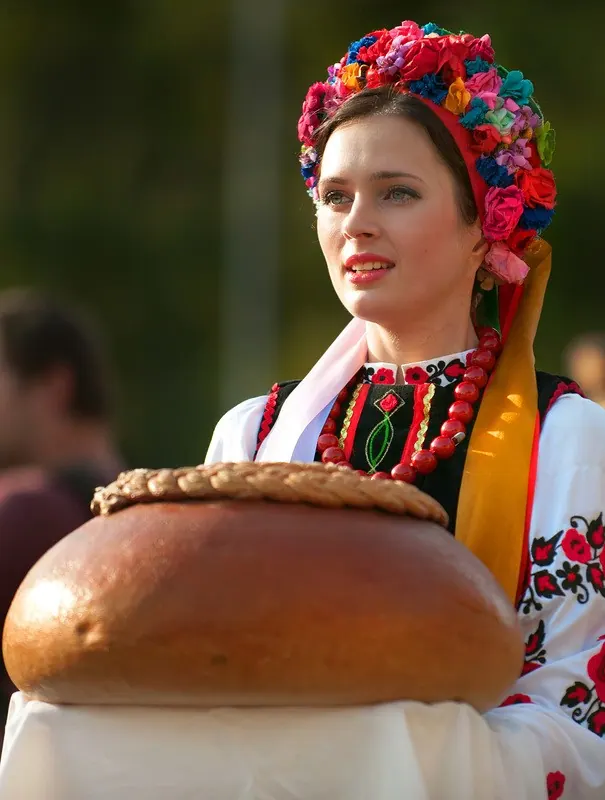
Watch enough Ukrainian folk dance and one shape keeps reappearing: the circle. Long before dance was something performed on a stage for an audience, the khorovod — a circular group dance, often accompanied by singing — was a communal ritual, tied to the agricultural calendar and the turning of the seasons. Dancers moving hand in hand in a ring were, in a very literal sense, acting out the cycle they depended on: planting and harvest, winter and spring.
What makes the circle worth pausing on is what it doesn’t have: a front. Unlike a soloist showcase, where every eye in the room is drawn to one dancer, a circle formation has no natural focal point — everyone in the ring is, structurally, equal. That egalitarian quality is part of why the khorovod persisted for so long as a genuinely communal form, open to anyone willing to join hands, rather than a display reserved for the most skilled dancers in the village.
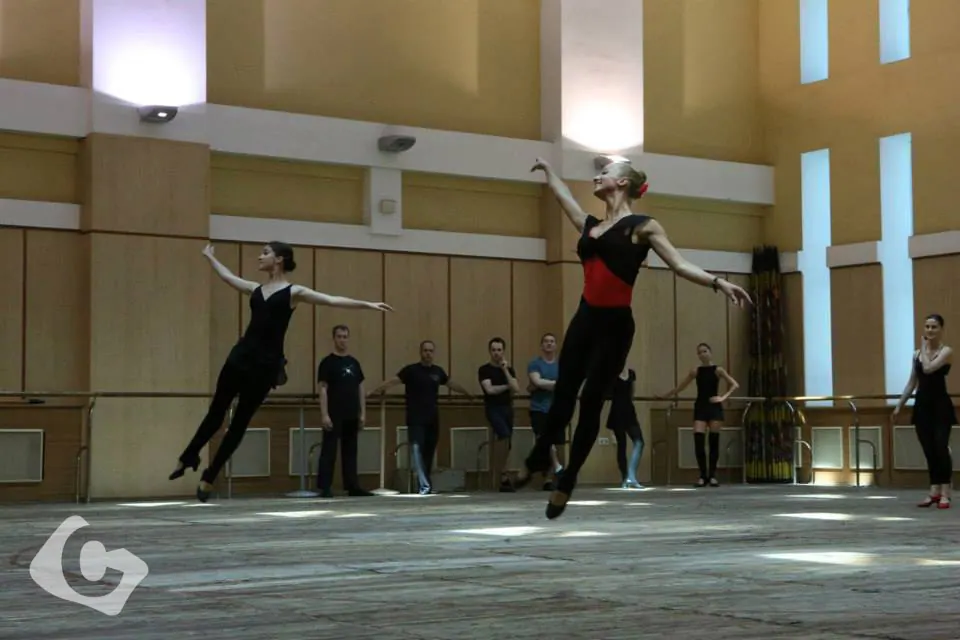
That doesn’t mean the circle disappeared once dance moved to the stage — if anything, choreographers found new uses for it. A circle can open a piece, gathering the full ensemble before it breaks apart into smaller figures and solos. It can close one, pulling scattered dancers back into a single unified shape for a final pose. It can frame a soloist or a couple, turning the rest of the ensemble into a kind of living stage-within-a-stage. In each case, the circle is doing structural work: signalling unity, marking a beginning or an ending, or simply giving the eye somewhere to rest between more demanding passages.
It’s a useful reminder that the athleticism most people associate with Ukrainian dance — the leaps, the squatting kicks, the spins — sits on top of a much older, quieter tradition: people, joined in a ring, moving together.